
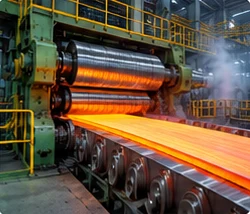

Liquid cooling can be useful when drive power density, cabinet heat removal or installation conditions make air cooling difficult. Select the complete cooling system, including the final heat-rejection equipment, rather than choosing by motor power alone.
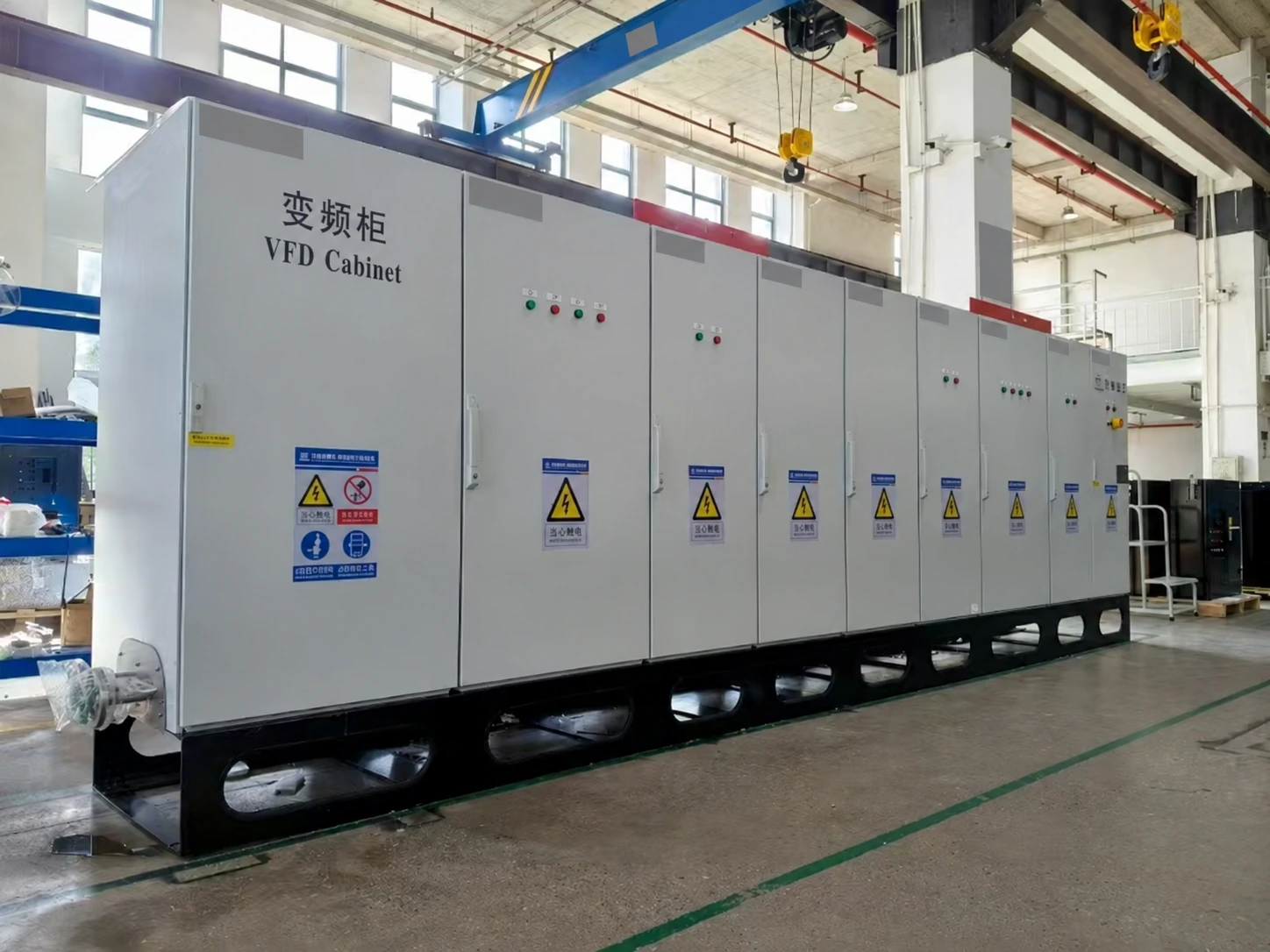
What is the difference between air cooling and liquid cooling?
An air-cooled drive moves heat from its power electronics into an airflow. The installation must provide the specified air quantity and temperature and prevent hot exhaust from returning to the inlet. Filters, fans, ducts and room ventilation all affect the result.
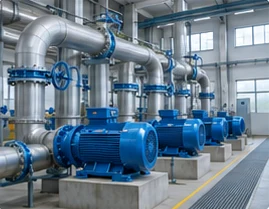
A liquid-cooled drive transfers a substantial part of its losses into an approved coolant circuit. A heat exchanger or other cooling equipment then rejects the heat. Some cabinet components may still release heat to air, so liquid cooling does not automatically eliminate cabinet or room ventilation.
Compare the complete installation
| Requirement | Air-cooled arrangement | Liquid-cooled arrangement |
|---|---|---|
| Heat removal | Check drive airflow and electrical-room heat balance. | Check module losses, coolant circuit and heat-rejection capacity. |
| Available utilities | Adequate clean cooling air and ventilation. | Compatible coolant, pumping and a suitable heat exchanger or cooling plant. |
| Service planning | Fans, filters, ducts and air passages. | Coolant condition, pumps, hoses, connections and leak/flow monitoring as specified. |
| Environmental review | Dust, humidity, corrosive contaminants and enclosure design. | Coolant material compatibility, condensation control and residual cabinet heat. |
| Retrofit constraints | Cabinet footprint and airflow route. | Cabinet footprint, pipe route, pressure loss and cooling interfaces. |
When is liquid cooling worth evaluating?
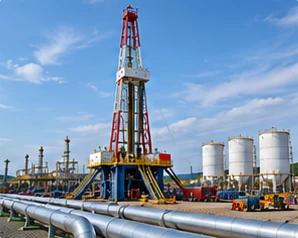
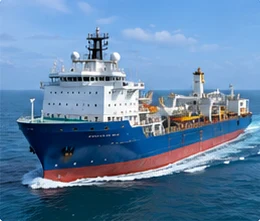
High-power marine drives, steel processing equipment, mining systems and other space-constrained installations may benefit from moving heat away through a liquid circuit. The decision depends on operating current and duty, available space, ambient conditions and whether the site can maintain the cooling plant.
Air cooling may remain a practical choice when the electrical room has suitable ventilation, the enclosure can meet the environment requirements and maintenance access is straightforward. There is no single power rating above which every project must use liquid cooling.
Six details to request before selecting a liquid-cooled VFD
- Losses and duty: identify the supplied converter modules and the operating points used for thermal sizing.
- Coolant specification: confirm approved fluid, concentration, water quality and wetted-material compatibility.
- Flow and pressure: obtain the required flow, allowable pressure and pressure drop for the actual module arrangement.
- Temperature: define inlet temperature, ambient humidity, condensation prevention and any required derating.
- Monitoring: agree how loss of cooling, abnormal temperature and leaks are detected and handled.
- Service access: plan isolation, draining, refilling and module replacement under the manufacturer’s procedure.
Can a liquid-cooled drive be replaced with an air-cooled drive?
It may be technically feasible, but it is a system redesign rather than an automatic substitution. Review the full cabinet and electrical-room heat load, ventilation, mounting dimensions, motor current, overload, interfaces and environmental protection. Reusing the existing power rating does not demonstrate that the replacement will stay within temperature limits.
The reverse conversion also needs engineering. Existing site water should not be connected directly to a drive cooling circuit unless its specification and isolation arrangement are approved for that equipment.
INOMAX drive options and a real retrofit example
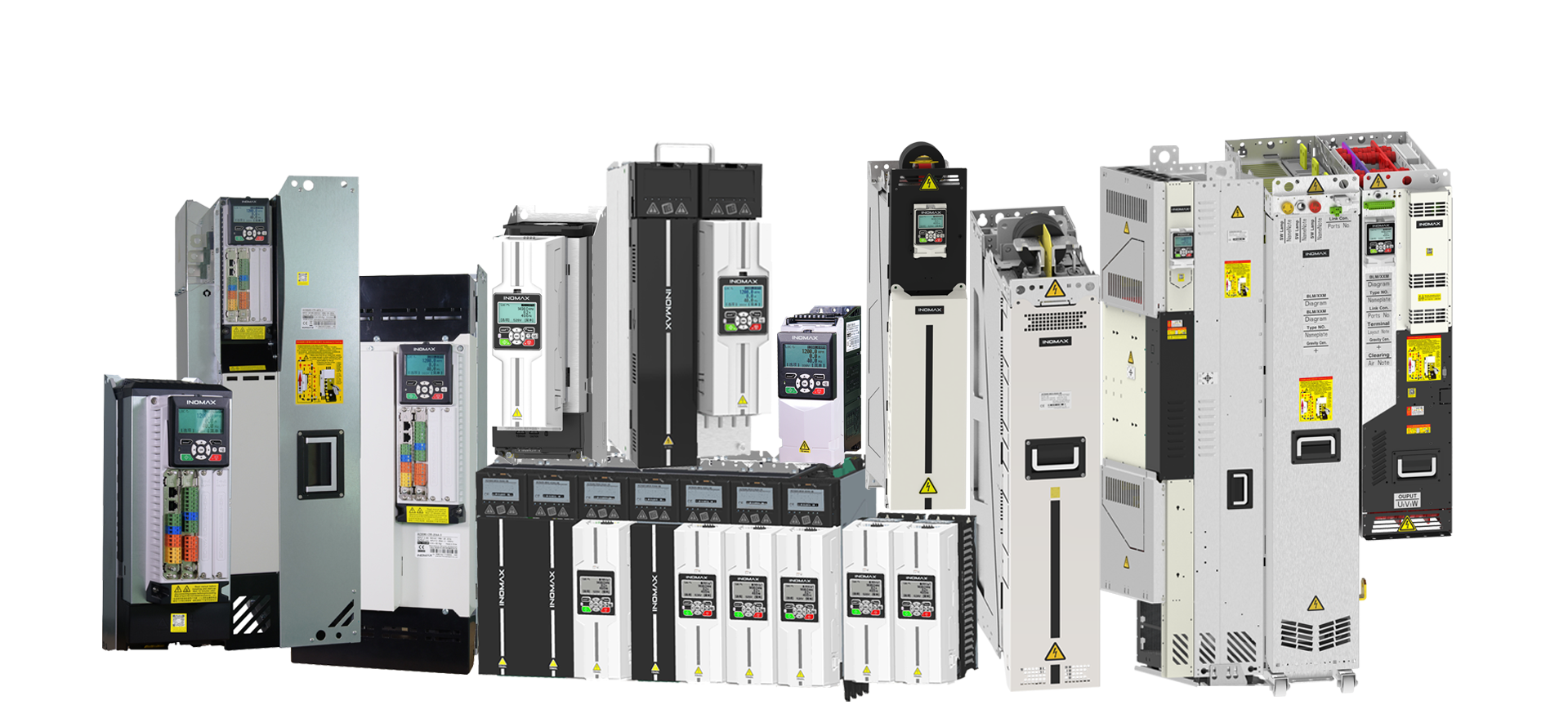
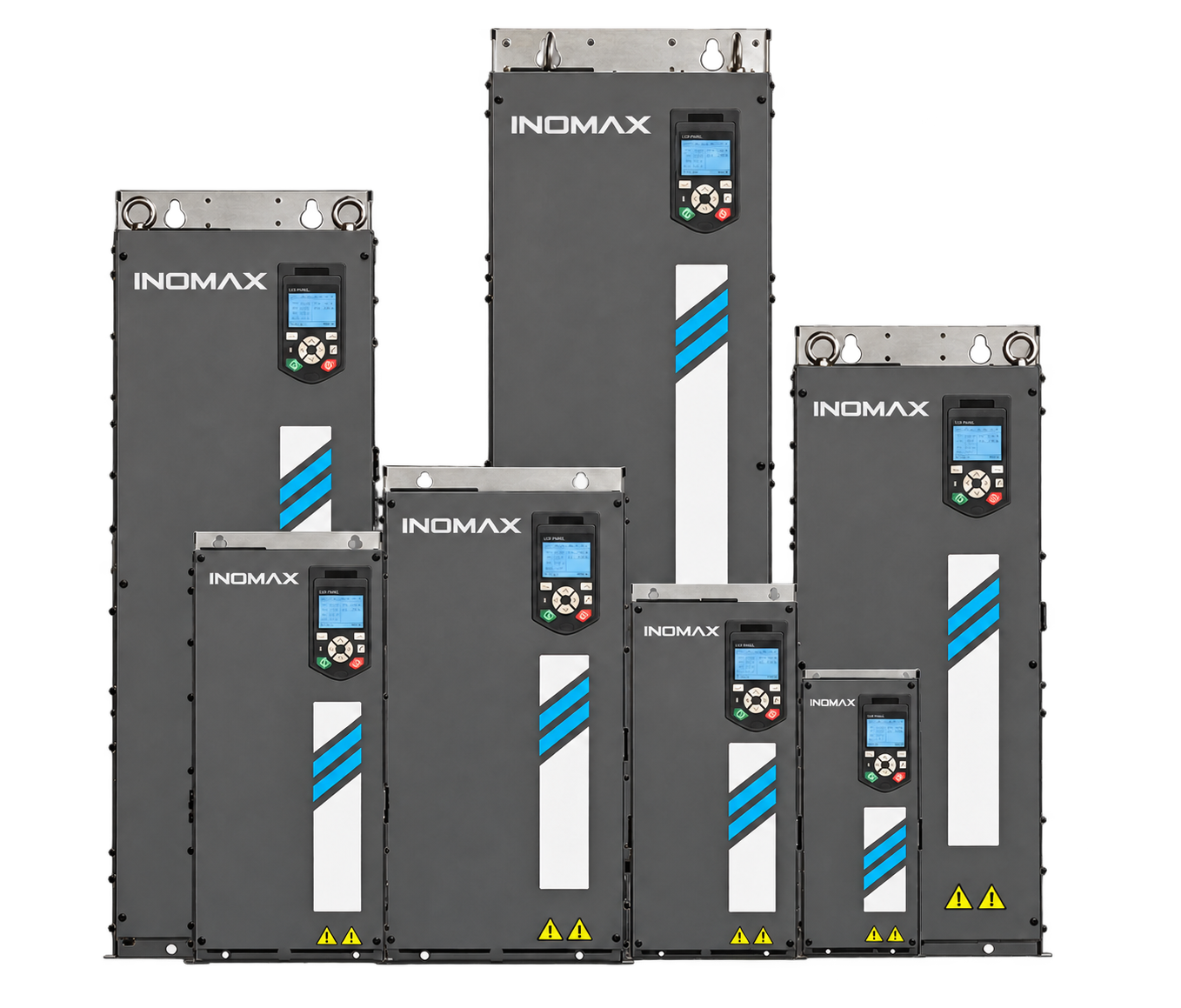
The INOMAX ACS880 range includes air-cooled and L8 liquid-cooled configurations. Confirm the supplied modules and cooling requirements for your rating and duty. INOMAX can discuss the converter, cabinet and cooling interfaces as part of a project quotation.
The Mexico marine liquid-cooled drive retrofit provides an example of cabinet integration and retrofit planning. Marine projects also require a separate review of the shipboard supply and any applicable approval requirements.
Frequently asked questions
Does liquid cooling mean the drive is waterproof?
No. Cooling method and enclosure protection are different specifications. Confirm the protection rating of the finished equipment.
Can ordinary water be used as coolant?
Use only the coolant and water-quality specification approved for the supplied drive and cooling system. Requirements vary by equipment.
Does liquid cooling remove all heat from the room?
That depends on the cabinet design and where the heat is ultimately rejected. Request both liquid-side and air-side losses for the chosen configuration.