
Principle Thermal power generation generally refers to the use of the heat energy generated by the combustion of combustibles to heat water, turning the water into high-temperature, high-pressure steam, and then using the steam to drive the generator to generate electricity. Power plants that use combustibles as fuel are collectively called thermal power plants.
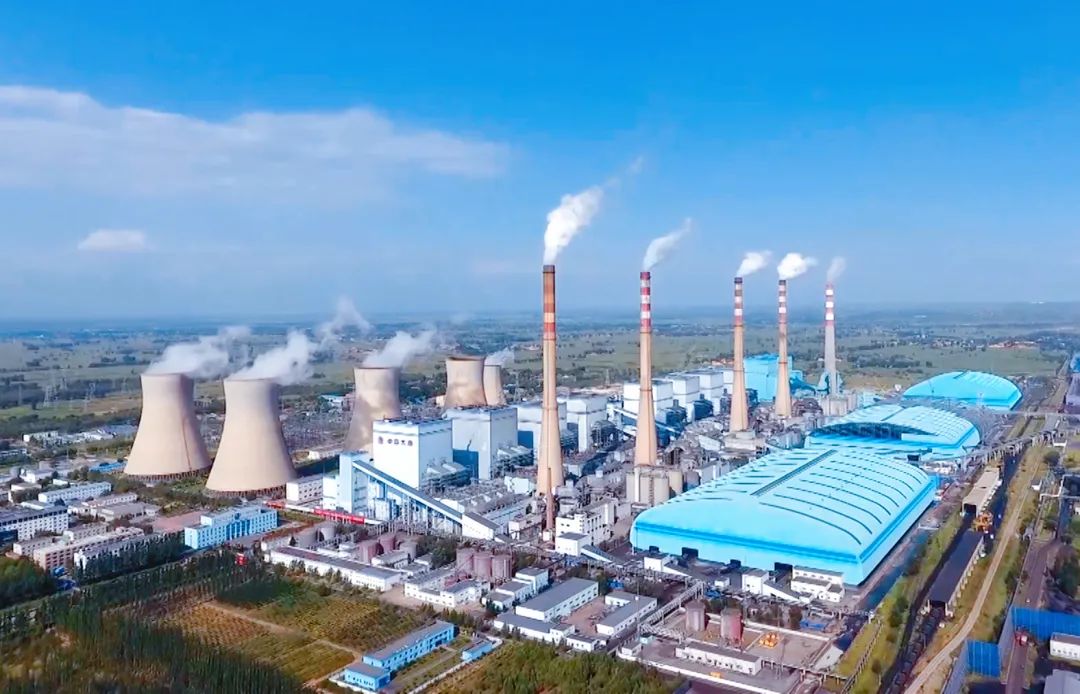
The main equipment systems of thermal power plants include: fuel supply system, water supply system, steam system, cooling system, electrical system and some other auxiliary processing equipment. Most thermal power plants use coal as the primary energy source, and use belt transmission technology to transport treated coal powder to the boiler. The coal powder burns and heats the boiler to turn the water in the boiler into steam. After one heating, the steam enters the high-pressure cylinder. In order to improve the thermal efficiency, the steam should be heated twice and enter the medium-pressure cylinder. The steam in the medium-pressure cylinder is used to drive the steam turbine generator to generate electricity. It is drawn out from the medium-pressure cylinder and enters the symmetrical low-pressure cylinder. Part of the steam that has done work is extracted from the middle section to supply to brother enterprises such as oil refining and fertilizer, and the rest flows through the condenser for water cooling and becomes saturated water at about 40 degrees as reused water. Saturated water at about 40 degrees passes through the condensate pump and the low-pressure heater to the deaerator. At this time, it is saturated water at about 160 degrees. It is deoxygenated by the deaerator and sent to the high-pressure heater by the feed water pump. The high-pressure heater uses reheated steam as heating fuel, and finally flows into the boiler for reuse. The above is a production process.
Process
The process of thermal power generation varies depending on the prime mover used. In the steam turbine power generation method, the basic process is to first send the fuel into the boiler and the air at the same time. The boiler injects chemically treated feed water, and uses the heat energy released by the combustion of the fuel to turn the water into high-temperature, high-pressure steam, drive the steam turbine to rotate and do work, and drive the generator to generate electricity. The cogeneration method uses the exhaust steam (or special extraction steam) of the prime mover to provide heat for industrial production or residential life. In the gas turbine power generation method, the basic process is to use a compressor to press the compressed air into the combustion chamber, mix it with the injected fuel, and then burn it after atomization, forming a high-temperature gas that enters the gas turbine to expand and do work, driving the turbine blades to rotate and drive the generator to generate electricity. In diesel engine power generation, the basic process is to use the injection pump and the injector to spray the fuel into the cylinder at high pressure to form a mist, which is mixed with air and burned to drive the diesel engine to rotate and drive the generator to generate electricity.
According to the production process of thermal power generation, the basic components of thermal power generation include combustion system, steam-water system, electrical system, and control system.
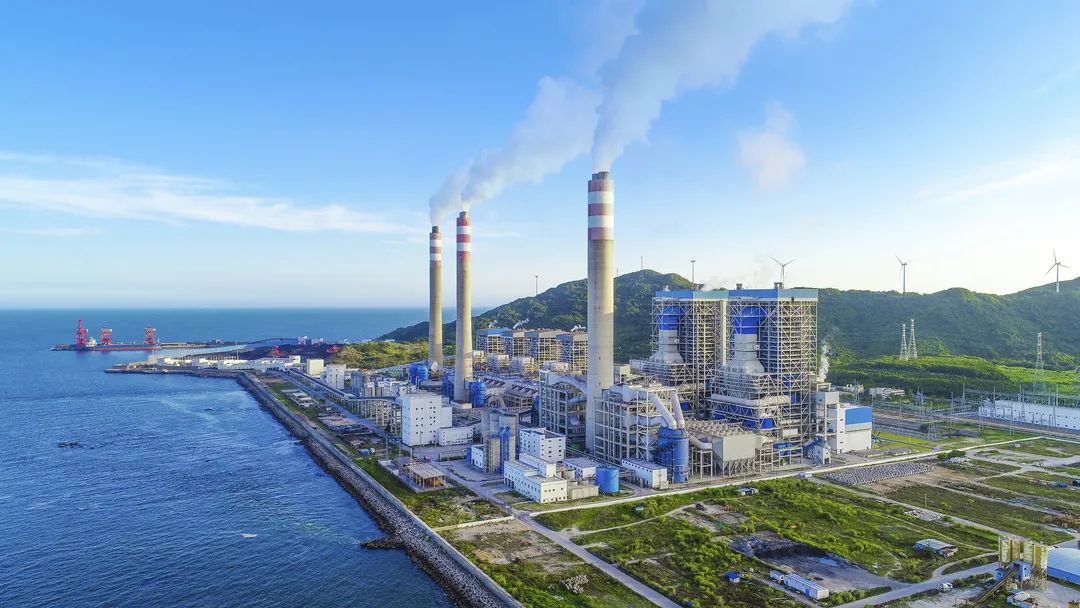
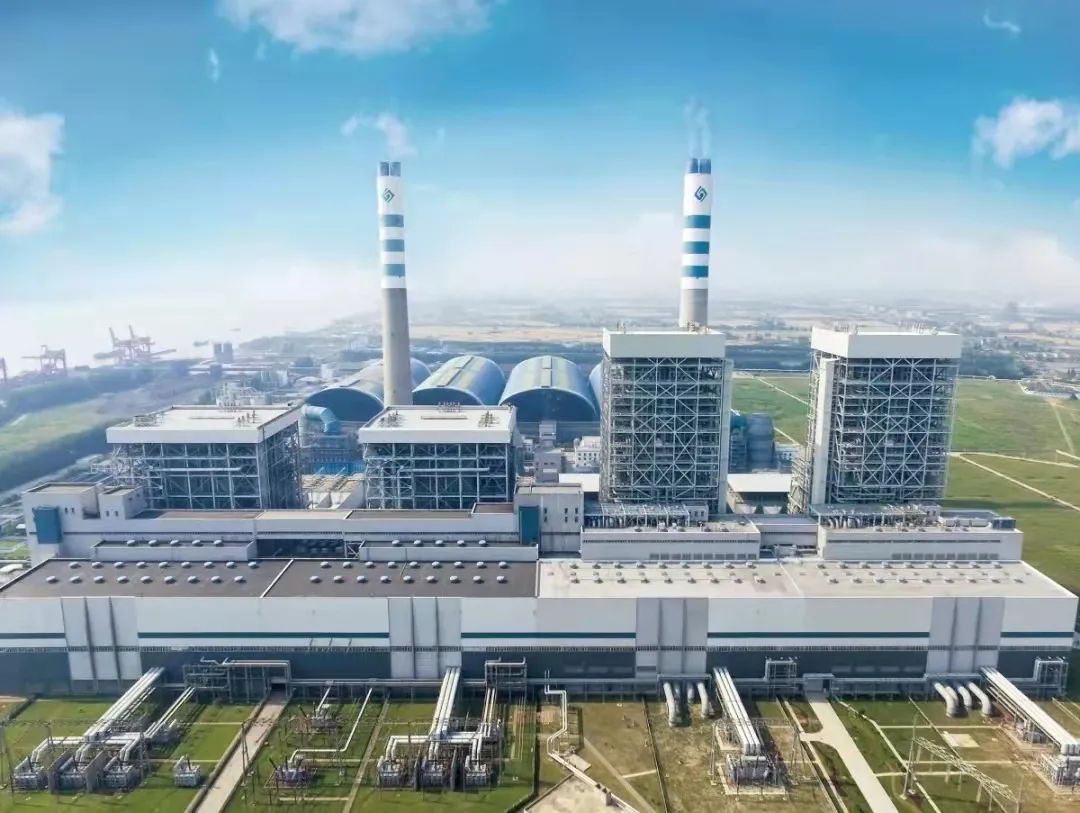
Electrical system
It is mainly composed of the main wiring of the power plant, steam turbine generator, main transformer, power distribution equipment, switch equipment, generator lead wire, plant wiring, plant transformer and reactor, plant motor, security power supply, battery DC system and communication equipment, lighting equipment, etc. The basic function is to ensure that the load or power system is supplied with power according to the power quality requirements. The main processes include power supply process and plant power process. The basic requirements for the electrical system are safe and reliable power supply; flexible scheduling; good adjustment and operation functions to ensure power supply quality; and the ability to quickly cut off faults to avoid the expansion of accidents.
Control system
It is mainly composed of boilers and their auxiliary systems, steam turbines and their auxiliary systems, generators and electrical equipment, and auxiliary systems. The basic function is to implement automated regulation and control of each production link of the thermal power plant to coordinate the working conditions of each part, so that the entire thermal power plant can operate safely, reasonably and economically, reduce labor intensity, improve productivity, and handle faults quickly and correctly to avoid accidents. The main work processes include automatic start and stop of steam turbines, automatic speed increase control process, boiler combustion control process, fire extinguishing protection system control process, thermal measurement and control process, automatic removal of electrical faults process, and automatic ash and slag removal process.


